
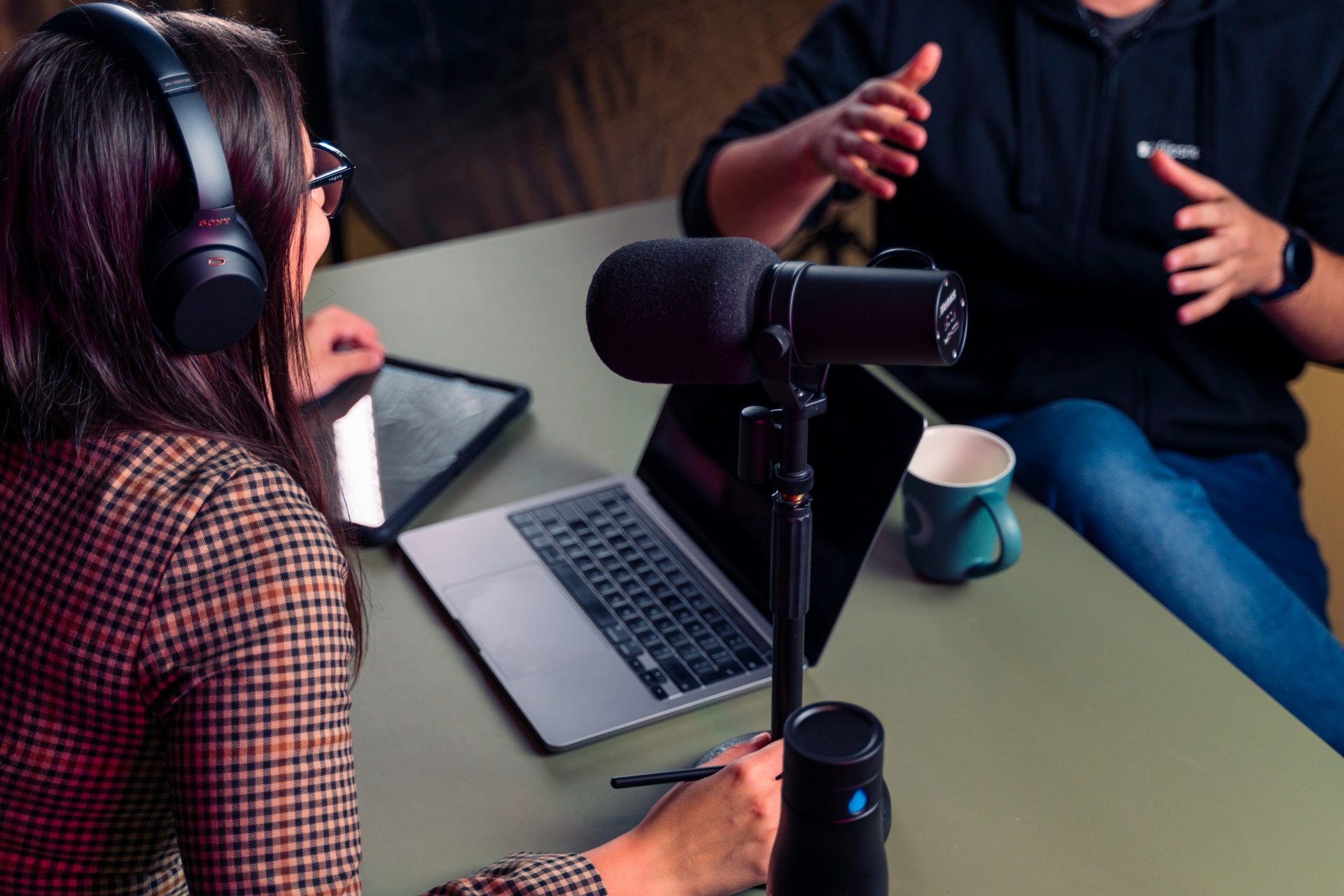
Podcast is the future
madestudios
In a world driven by constant evolution in technology and media, podcasting has emerged as one of the most powerful communication platforms of the 21st century.

Once a niche medium for hobbyists, podcasts are now a mainstream form of content that engages millions of listeners worldwide. With its unique combination of accessibility, intimacy, and versatility, podcasting is poised to shape the future of media and communication. In this blog post, we’ll explore the reasons why podcasting is not just a trend but a transformative medium that is here to stay.
The Rise of Podcasting: A Growing Phenomenon
Podcasting has witnessed explosive growth in recent years. According to industry statistics, there are now over 500 million active podcast listeners globally, and this number continues to rise. The growth isn’t just in audience size but also in diversity—podcasts now cover nearly every conceivable topic, from business and education to entertainment and niche interests.
This upward trajectory is fueled by several factors:
- Ease of Access: Podcasts are available on multiple platforms such as Spotify, Apple Podcasts, and Google Podcasts, making them accessible to anyone with a smartphone.
- On-Demand Content: Listeners can tune in anytime, anywhere, allowing them to integrate podcasts seamlessly into their daily routines.
- Global Reach: Unlike traditional media that may have geographical limitations, podcasts have a global footprint, reaching audiences across borders and cultures.
The Intimacy of Audio: A Personal Connection
One of the most distinctive features of podcasts is the deep, personal connection they create with listeners. Unlike other forms of media, podcasting relies solely on audio, which demands active listening and fosters a sense of intimacy.
When a podcast host speaks directly into a listener’s ears, it feels like a one-on-one conversation. This connection builds trust and loyalty, making podcast audiences among the most engaged. For brands and creators, this level of engagement translates into higher retention rates and better audience relationships.
Versatility for All Purposes
Podcasts are incredibly versatile. Whether your goal is to educate, entertain, inform, or inspire, podcasting offers a format that suits your needs. Here’s how this versatility manifests:
- Education: Podcasts have become a go-to resource for learning. From language courses to deep dives into complex topics, podcasts make education accessible and engaging.
- Entertainment: With genres like true crime, comedy, and storytelling, podcasts rival traditional entertainment formats like TV shows and movies.
- Brand Building: Businesses leverage podcasts to establish thought leadership, connect with customers, and humanize their brands.
This adaptability ensures that podcasts are not limited to a specific audience or purpose, making them a universal tool for communication.
Cost-Effective Content Creation
Compared to other forms of media, podcasting is relatively inexpensive to produce. All you need is a decent microphone, editing software, and a good story to tell. This lower barrier to entry has democratized content creation, allowing individuals, small businesses, and non-profits to compete with major corporations in reaching audiences.
For companies, podcasts offer a high return on investment. They provide an avenue to produce high-quality content without the substantial costs associated with video production or traditional advertising.
Podcast Advertising: A Booming Industry
The advertising industry has taken note of the unique opportunities podcasts offer. Podcast ads are proven to be highly effective, with studies showing that 54% of podcast listeners are more likely to consider buying a product after hearing about it in a podcast. This is due to the trust and loyalty that listeners have for their favorite hosts.
Podcast advertising also offers targeting capabilities unmatched by traditional media. Brands can advertise on shows that align closely with their target audience’s interests, ensuring maximum impact.
A Medium Tailored for Multitasking
One of the key reasons for podcasting’s popularity is its ability to fit seamlessly into busy lifestyles. Unlike video or written content, podcasts don’t require undivided attention. Listeners can enjoy podcasts while commuting, exercising, cooking, or even working.
This multitasking-friendly nature makes podcasts an ideal choice for today’s fast-paced world, where consumers value efficiency and productivity.
The Future of Storytelling
Storytelling has always been at the heart of human communication, and podcasts are taking it to new heights. Through serialized formats, narrative-driven episodes, and immersive audio techniques, podcasts are redefining how stories are told.
Technological advancements like 3D audio and interactive podcasts are further enhancing the storytelling experience, making podcasts not just a medium for passive listening but an immersive journey.
Integration with Smart Technology
The rise of smart speakers like Amazon Echo and Google Home has made podcasts even more accessible. Voice commands allow users to play their favorite shows instantly, integrating podcasts into daily routines more seamlessly than ever before.
As smart technology continues to advance, podcasts will remain a prominent feature in connected homes, cars, and wearable devices, ensuring their relevance in the future of media consumption.
Community Building and Engagement
Podcasts foster a sense of community among listeners. Many successful shows have loyal fan bases that engage with the content through social media, live events, and online forums. This interactive element strengthens the bond between creators and their audiences.
For brands, this community-building aspect is invaluable. Podcasts provide a platform to connect with audiences on a deeper level, creating brand advocates and long-term customers.
The Role of Podcasts in Business
Businesses are increasingly recognizing the potential of podcasts as a marketing tool. Here are some of the ways companies are leveraging this medium:
- Internal Communications: Podcasts are being used to enhance employee engagement, share company updates, and promote learning and development.
- Thought Leadership: Industry leaders use podcasts to share insights, build authority, and connect with their professional networks.
- Customer Retention: Branded podcasts provide value to customers, keeping them engaged and loyal.
The Global Appeal
Unlike traditional media formats that may cater to specific regions, podcasts have a universal appeal. Creators can reach listeners across the globe, breaking down cultural and geographical barriers. This global reach is particularly valuable for businesses aiming to expand their footprint in international markets.
Conclusion: A Medium for the Future
Podcasting is not just a passing trend—it’s a transformative medium reshaping the way we communicate, learn, and connect. Its rapid growth, unparalleled versatility, and ability to foster deep connections make it an essential part of the media landscape.
As technology continues to evolve, podcasting will only become more integral to our lives. Whether you’re a business looking to reach new audiences, an educator sharing knowledge, or a storyteller crafting compelling narratives, podcasting offers endless possibilities.
The future is audio, and podcasting is leading the charge. Now is the time to embrace this powerful medium and harness its potential to inform, engage, and inspire.





Technology changing the broadcast and the content we listen to
madestudios
The broadcast industry is undergoing a seismic shift, driven by advancements in technology that are redefining how content is created, distributed, and consumed.

From traditional radio and television to digital streaming and podcasts, technology has become the catalyst for change, shaping the way we engage with audio and video content. In this blog post, we’ll explore how technology is revolutionising broadcasting and influencing the content we listen to in profound ways.
The Digital Revolution in Broadcasting
Broadcasting has come a long way from its analog roots. Digital technology has enabled broadcasters to deliver higher-quality audio and video content, expand their reach, and offer more personalized experiences to audiences. Key advancements include:
- Digital Audio Broadcasting (DAB): Providing clearer sound quality and more channels, DAB has revolutionized traditional radio.
- High-Definition (HD) and 4K Broadcasting: Enhanced visuals have transformed how viewers experience live events, news, and entertainment.
- Streaming Platforms: Services like Spotify, YouTube, and Apple Music have disrupted traditional broadcasting by offering on-demand access to millions of songs, podcasts, and videos.
This shift from analog to digital has democratized broadcasting, allowing creators of all sizes to compete in the global marketplace.
The Rise of Streaming: On-Demand Content Takes Over
Streaming platforms have become the dominant force in how we consume audio and video content. Unlike traditional broadcast schedules, streaming gives audiences the freedom to choose what, when, and where they listen or watch. This convenience has reshaped consumer behavior and opened up new opportunities for content creators.
- Personalization: Algorithms on platforms like Netflix and Spotify analyze user preferences to recommend tailored content.
- Global Accessibility: Streaming has made it possible for anyone with an internet connection to access content from anywhere in the world.
- Multiplatform Integration: Content can now be streamed across devices, from smartphones to smart TVs, ensuring seamless user experiences.
Podcasts: A New Era of Audio Content
Podcasts represent one of the most significant shifts in audio broadcasting. The combination of easy accessibility, low production costs, and niche appeal has fueled the growth of this medium. As of 2023, there are over 5 million active podcasts worldwide, covering a vast array of topics.
Technology has played a central role in the rise of podcasts:
- Streaming and Downloads: Platforms like Spotify and Apple Podcasts make it simple to discover and subscribe to podcasts.
- Improved Audio Equipment: Affordable microphones, editing software, and hosting services have made podcasting accessible to anyone.
- Analytics: Creators can now track listener engagement and demographics to refine their content strategies.
Podcasts have also blurred the lines between traditional broadcasting and new media, offering a hybrid model that combines the best of both worlds.
AI and Automation: Transforming Content Creation
Artificial intelligence (AI) is reshaping how content is created and distributed. AI tools are now capable of:
- Automated Transcriptions: Turning spoken content into text for accessibility and SEO purposes.
- Voice Cloning: Creating synthetic voices for narration or dubbing.
- Personalized Recommendations: Enhancing audience experiences through curated playlists and suggestions.
- Content Generation: AI tools like ChatGPT assist in scriptwriting, editing, and brainstorming for creators.
These advancements allow creators to focus more on storytelling while leaving repetitive tasks to technology.
Interactive Content and Immersive Experiences
Interactive and immersive technologies are elevating the audience experience, making content consumption more engaging and participatory. Examples include:
- Live Streaming with Audience Interaction: Platforms like Twitch and YouTube Live allow creators to engage with their audiences in real-time through chats and polls.
- Augmented Reality (AR) and Virtual Reality (VR): These technologies are creating immersive content experiences, such as virtual concerts and interactive storytelling.
- 3D Audio: Spatial audio technology provides a richer and more realistic listening experience, bringing stories and music to life.
These innovations are pushing the boundaries of what’s possible in broadcasting and creating new opportunities for creative expression.
The Role of Data and Analytics
Data is the backbone of modern broadcasting. Advanced analytics tools enable content creators and broadcasters to understand their audiences better than ever before. By analyzing listener behavior, preferences, and engagement, broadcasters can:
- Optimize Content: Tailor programming to match audience interests.
- Enhance Marketing: Use insights to develop targeted advertising campaigns.
- Measure Success: Track performance metrics such as listener retention, downloads, and streams.
The ability to harness data has not only improved decision-making but also driven innovation in content delivery.
Mobile Technology: Content on the Go
The widespread adoption of smartphones has revolutionized how we consume broadcast content. Mobile devices are now the primary platform for accessing music, podcasts, and videos. This shift has led to:
- Micro-Content: Short-form audio and video content designed for quick consumption during commutes or breaks.
- Mobile Apps: Streaming services and radio apps have made it easy to listen to live broadcasts or on-demand content anywhere.
- Push Notifications: Reminders and updates keep users engaged with their favorite shows and channels.
Mobile technology ensures that broadcasting remains relevant in an increasingly on-the-go world.
Monetisation and the Creator Economy
Technology has enabled new monetization models for broadcasters and creators. Traditional revenue streams like advertising and sponsorships have been complemented by innovative options, including:
- Subscription Models: Platforms like Patreon and Substack allow fans to support creators directly.
- Ad Revenue Sharing: YouTube and Spotify share ad revenue with content creators.
- Merchandise and Events: Creators can leverage their brands to sell products and host live events.
These monetization methods have empowered independent creators to thrive, further diversifying the broadcast landscape.
Challenges and Opportunities
While technology has opened up countless possibilities, it also presents challenges. Issues such as content oversaturation, data privacy concerns, and the digital divide need to be addressed. However, these challenges also bring opportunities for innovation:
- Curation Tools: Helping audiences navigate an overwhelming amount of content.
- Ethical AI Development: Ensuring responsible use of AI in broadcasting.
- Expanding Accessibility: Bridging gaps in access to technology and content.
The industry’s ability to adapt to these challenges will determine its future trajectory.
The Future of Broadcasting
The broadcast industry’s future lies in embracing emerging technologies and adapting to changing audience preferences. Key trends to watch include:
- Hyper-Personalization: Tailoring content to individual tastes using advanced AI algorithms.
- Decentralized Platforms: Blockchain technology could empower creators to distribute and monetize content independently.
- Sustainability: Leveraging technology to reduce the environmental impact of content production and distribution.
As technology continues to evolve, so too will the ways in which we create and consume content. The possibilities are limitless, and the future of broadcasting is brighter than ever.
Conclusion
Technology is not just changing the broadcast industry—it’s revolutionizing it. From digital streaming and AI-driven personalization to immersive experiences and mobile access, the advancements in technology are transforming how we listen to and interact with content. As the lines between traditional and digital media continue to blur, one thing is clear: technology is shaping a future where content is more accessible, engaging, and innovative than ever before.
For creators, broadcasters, and audiences alike, this is an exciting time to explore the endless possibilities that technology brings to the world of media and communication. Whether you’re a seasoned professional or a passionate newcomer, now is the time to embrace these changes and be part of the broadcasting revolution.

Why Companies Should Create Podcasts: Boosting Reach, Engagement, and Accessibility
madestudios
In the fast-paced digital world, companies are constantly seeking innovative ways to connect with their audiences.

Traditional marketing strategies are no longer enough to capture attention in a crowded content landscape. Enter podcasts—a medium that has taken the world by storm. With over 500 million active listeners globally, podcasts offer a unique opportunity for businesses to increase reach, enhance engagement, and improve accessibility. Here's why your company should start a podcast today.
Expanding Your Reach
Podcasts are one of the fastest-growing content platforms, offering businesses a chance to reach new and diverse audiences.
- Global Accessibility: Unlike traditional media that may be limited by geography, podcasts are available worldwide. Whether your audience is local or international, podcasts provide a platform to connect without boundaries.
- Niche Audiences: Podcasts cover a wide range of topics, making it easier to target specific audiences that align with your brand. From tech enthusiasts to wellness advocates, there’s a podcast community for everyone.
- On-Demand Content: Listeners can tune into podcasts whenever and wherever they want—during commutes, workouts, or even while cooking. This flexibility increases the likelihood of your message being heard.
By creating a podcast, your company can extend its reach far beyond traditional channels and tap into new markets.
Enhancing Engagement
Unlike other forms of content, podcasts foster a deep connection between creators and listeners. Here’s how they drive engagement:
- Intimacy of Audio: Listening to a podcast feels personal, as though the host is speaking directly to the audience. This intimacy builds trust and loyalty, making it easier for companies to establish meaningful relationships with their listeners.
- Long-Form Content: Unlike social media posts or short videos, podcasts allow for in-depth conversations. This longer format provides the space to discuss complex topics, tell compelling stories, or share expert insights—keeping listeners engaged for extended periods.
- Two-Way Interaction: Podcasts often encourage listener participation through Q&A sessions, live recordings, and social media interactions. This fosters a sense of community and makes audiences feel like active contributors to your brand.
The ability to hold a listener’s attention for 20, 30, or even 60 minutes at a time is a rare advantage in today’s attention economy.
Versatility for All Purposes
Podcasts are incredibly versatile. Whether your goal is to educate, entertain, inform, or inspire, podcasting offers a format that suits your needs. Here’s how this versatility manifests:
- Education: Podcasts have become a go-to resource for learning. From language courses to deep dives into complex topics, podcasts make education accessible and engaging.
- Entertainment: With genres like true crime, comedy, and storytelling, podcasts rival traditional entertainment formats like TV shows and movies.
- Brand Building: Businesses leverage podcasts to establish thought leadership, connect with customers, and humanize their brands.
This adaptability ensures that podcasts are not limited to a specific audience or purpose, making them a universal tool for communication.
Improving Accessibility
Podcasts are one of the most accessible forms of content, making them an ideal tool for companies aiming to reach diverse audiences.
- Inclusive Medium: Audio content is a fantastic way to reach individuals who may face barriers to traditional media, such as those with visual impairments or busy lifestyles that don’t allow for screen time.
- Cross-Device Compatibility: Podcasts can be accessed on smartphones, tablets, desktops, and smart speakers, ensuring your content is available wherever your audience is.
- Language and Localisation: With the ability to produce podcasts in multiple languages or cater to specific regional audiences, companies can tailor their content to reach a broader demographic.
Accessibility isn’t just about convenience; it’s about ensuring your message is available to everyone, anywhere.
Podcast Advertising: A Booming Industry
The advertising industry has taken note of the unique opportunities podcasts offer. Podcast ads are proven to be highly effective, with studies showing that 54% of podcast listeners are more likely to consider buying a product after hearing about it in a podcast. This is due to the trust and loyalty that listeners have for their favorite hosts.
Podcast advertising also offers targeting capabilities unmatched by traditional media. Brands can advertise on shows that align closely with their target audience’s interests, ensuring maximum impact.
Building Thought Leadership
Podcasts position your company as an industry leader by showcasing your expertise and insights. Through interviews, panel discussions, and storytelling, your business can demonstrate authority and build credibility within your niche.
- Guest Appearances: Hosting industry experts or influencers on your podcast adds value to your content and attracts their followers to your brand.
- Storytelling: Podcasts allow you to share the unique story behind your company, mission, and values, creating a deeper connection with your audience.
- Educational Content: Use your podcast to teach listeners about industry trends, best practices, and solutions to common challenges, positioning your brand as a go-to resource.
Thought leadership not only builds trust but also establishes your brand as the first choice when customers need products or services in your industry.
Cost-Effective Marketing
Compared to other forms of content creation, podcasting is relatively inexpensive. All you need is a good microphone, editing software, and a hosting platform to get started. For companies with limited marketing budgets, podcasts provide an excellent ROI by delivering consistent and impactful content.
Additionally, podcasts can be repurposed into other forms of content, such as:
- Blog posts summarizing episodes.
- Social media snippets.
- Video highlights for platforms like YouTube or Instagram.
This multi-channel approach ensures maximum value from a single piece of content.
Integration with Smart Technology
The rise of smart speakers like Amazon Echo and Google Home has made podcasts even more accessible. Voice commands allow users to play their favorite shows instantly, integrating podcasts into daily routines more seamlessly than ever before.
As smart technology continues to advance, podcasts will remain a prominent feature in connected homes, cars, and wearable devices, ensuring their relevance in the future of media consumption.
Staying Ahead in a Competitive Landscape
As podcasts continue to grow in popularity, companies that invest in this medium now will gain a competitive edge. By being an early adopter, your brand can establish a strong foothold before the market becomes saturated. Podcasts also provide a unique way to differentiate your company, offering content that feels personal, informative, and relatable.
Conclusion
Podcasts are more than just a trend—they’re a powerful tool for modern businesses. By creating a podcast, your company can expand its reach, foster meaningful engagement, and ensure your content is accessible to everyone. Whether you’re looking to build thought leadership, connect with niche audiences, or enhance your marketing strategy, podcasting is a versatile and effective solution.
So, what are you waiting for? Start your podcast today and let your voice shape the future of your brand. Your audience is listening.

Live events are back!
madestudios
The Evolving Landscape of Events: Why Content Matters More Than Ever

Conferences, exhibitions, and seminars are making a strong comeback, but the world has changed, and so have the expectations surrounding events. Today, content is no longer just an addition to events; it’s a driving force that shapes their success. Let’s explore why content has become critical and how it’s transforming the way we approach live experiences.
The New Era of Corporate Events
Think back to the traditional corporate away days of the past—three days at a retreat filled with workshops, keynote presentations, networking activities, and a grand dinner to wrap things up. Those events have largely given way to a more streamlined, hybrid approach. Today, much of the educational and training content that used to require physical attendance is now delivered online.
This shift offers clear benefits:
- Convenience: Attendees can consume content when it suits them.
- Cost-Effectiveness: Virtual presentations reduce travel and accommodation expenses.
- Extended Reach: Online delivery ensures a broader audience can access the content.
While networking still thrives in local, in-person settings, the requirement to attend full-day conferences just to make connections has diminished. Workshops are increasingly held on platforms like Zoom, though there’s a noticeable trend toward bringing some of these experiences back into physical spaces.
The Engagement Challenge
As the structure of events evolves, organizations face a pressing challenge: maintaining audience engagement in a world with fewer in-person touchpoints. For businesses, nonprofits, and other organizations, online content has moved from being an “important” asset to becoming absolutely critical.
The question isn’t whether content is necessary but how to maximize its impact to keep attendees and customers engaged before, during, and after major events.
Big Events Are Bigger, But Engagement Is Scarcer
On the other side of the spectrum, large conferences, exhibitions, and festivals are making their return with even more grandeur. Event organizers understand that to attract attendees—many of whom travel less frequently than they used to—these events must deliver unforgettable experiences.
However, the challenge remains: how do you maintain engagement throughout the year between these large-scale, one-off events? While grand productions can leave a lasting impression, the intervals between them are ripe for smaller, more regular interactions.
Sustaining Year-Round Engagement
To bridge the gap between major events, businesses and organizations need to adopt a multi-pronged approach to engagement. This can include:
- Small Meetings and Talks: Intimate gatherings that foster deeper connections.
- Pop-Up Events: Short, impactful experiences that reignite interest.
- Social Activities: Casual settings for informal networking.
- Digital Content: Podcasts, video interviews, and live Q&A sessions.
Among these, content takes center stage. Why? Because it transcends the limitations of time and space, allowing you to maintain a connection with your audience long after the event ends.
Maximising the Value of Your Big Event
Picture this: You’ve organized a major annual event, and a world-renowned industry expert has agreed to present. You’ve invested time, effort, and resources into making this happen. So how do you ensure you extract the maximum value from their presence?
Here’s how content can help:
- Record Key Sessions: Capture their keynote presentation so it can be repurposed for future use.
- Create Additional Content: Beyond the keynote, leverage their time to record interviews, live Q&As, or podcasts.
- Engage the Audience: Encourage interaction through audience questions and live feedback sessions.
- Partner with Sponsors: Collaborate with sponsors to host panels or live-streamed events, adding value for both attendees and sponsors.

Real-Time Content Creation
Imagine if you could build a dedicated studio at your event venue—a space where you can broadcast live throughout the event. You could showcase what’s happening in real-time, interview speakers and attendees, and curate high-quality content as the event unfolds. This approach not only amplifies your event’s reach but also creates a library of evergreen content that can be reused and repurposed across multiple channels.
Why StudioPOP?
At StudioPOP, we specialize in helping organizations unlock the full potential of their events through professional content creation. Whether it’s filming keynotes, recording podcasts, or live-streaming Q&A sessions, we make it easy to transform your event into a hub of engaging, impactful content.
Here’s what we can help you achieve:
- Expand Your Reach: Share your event with a global audience.
- Repurpose Content: Turn live moments into valuable assets for future campaigns.
- Engage Year-Round: Keep your audience connected and engaged between major events.
The Bottom Line
The world of events has changed, but with change comes opportunity. Content is now the key to keeping audiences engaged, amplifying your message, and ensuring the lasting impact of your efforts. Whether you’re hosting an intimate seminar or a large-scale conference, leveraging the power of content can help you stay connected with your audience, build lasting relationships, and achieve your goals.
So, how are you adapting to this new era of events? Let’s make your next event unforgettable—with content that works as hard as you do.
Contact StudioPOP today to get started!